, ,

On the anniversary of Valerie Forde’s death, we must deliver the change Black women need

Abena Oppong-Asare MP writing in Politics Home, 31 March 2026

Twelve years ago, Valerie Forde and her 22-month-old daughter, RJ, were murdered. Six weeks earlier, Valerie had reported a death threat to the police.

When three quarters of Black women who experience domestic abuse want to report it but feel unable to, we should ask a difficult question: what kind of system have we built, if silence feels safer than seeking help?

Valerie did everything we ask of victims. She recognised the danger and sought help. She was failed by the services meant to protect her. Nothing about Valerie and RJ’s deaths was inevitable. If her warnings had been taken seriously, both would still be alive today.

Research by Sistah Space, based on the experiences of more than 2,200 women across England and Wales, shows how serious this problem is. Nearly all of the women surveyed said they did not have confidence that reporting abuse would lead to fair or supportive treatment. Many said they felt misunderstood or dismissed when they did reach out. That matters because what happens when a woman asks for help can determine whether she is protected or put at greater risk.

Violence against women and girls is a national emergency. The government has set out an ambitious approach, with a focus on prevention, accountability and rebuilding trust. That direction is right. But it must be felt in practice across all demographics.

For too many Black women, coming forward is not just difficult, it is risky. There is fear of not being believed, of being stereotyped as aggressive, or of losing their children. Some fear that speaking out will make things worse. When those fears are present, it is not surprising that many women stay silent.

Sistah Space’s report gives clear examples of where things go wrong. Women describe coercive control not being recognised, or harm being minimised because injuries are not obvious. Some speak about bruising on darker skin not being properly recorded. These are basic issues, but they can make the difference between someone being protected or not.

Many professionals work extremely hard to support survivors. But without the right training, risk can be missed.

Culturally competent care is part of getting this right. It means understanding how different experiences shape the way abuse is reported, recognised and responded to. It means building trust, not losing it.

The government has committed to a survivor-centred approach to tackling violence against women and girls. The task now is delivery. For too many Black women, the system still does not feel like it works for them. Valerie’s Law is a practical way to change that. It would make specialist training mandatory for police, social workers and healthcare professionals, so that responses are informed by the lived experience of Black women.

This builds on work already underway, and strengthens it. It would also create a consistent standard, so that support does not depend on where someone lives or who they speak to.

Black women are not asking for special treatment – they are asking for equal treatment. They are asking to be believed and to be treated properly when they ask for help.

If we are serious about ending violence against women and girls, the system has to work for those who currently trust it least. On the 12th anniversary of Valerie and Jahzara’s murders, the case for change is clear. We know what needs to happen. The question is whether we are prepared to act on it.

, , ,

Pressing for Better Endometriosis Care in Parliament

Women living with endometriosis have endured pain, stigma and far too many delays in diagnosis for decades. This chronic condition, which affects around one in ten women and those assigned female at birth, can cause debilitating pain, fatigue and fertility challenges – yet many still wait years for a diagnosis and struggle to access the support they need.

In the House of Commons this week, I raised these concerns directly with the Minister, asking whether the Government’s new Women’s Health Strategy will lead to improved training for healthcare professionals and greater awareness of endometriosis. Too often, symptoms are dismissed or misunderstood, leaving women feeling unheard and unsupported. Earlier diagnosis and better understanding are essential to improving outcomes and quality of life.

I was encouraged by the Minister’s response and the recognition that more must be done to prioritise women’s health. The Women’s Health Strategy has the potential to drive meaningful change – from better education and training in primary care, to clearer referral pathways and faster access to specialist treatment. However, warm words must now translate into tangible action.

I will continue to press the Government to deliver real improvements and to make women’s health a genuine priority within our NHS.

Alongside raising this issue in Parliament, I have launched a survey for local residents to share their experiences of endometriosis and what they want in the upcoming Women’s Health Strategy. Hearing directly from those affected will help inform my ongoing work in Westminster and strengthen the case for change.

If you or someone you know has been impacted by endometriosis, I encourage you to take a few minutes to complete the survey and make your voice heard:

Your experiences matter, and together we can push for the improvements women deserve.

Social Media Post:

,

Racist Comments about Diane Abbott by Tory Party donor  

On Monday 11 March, the Guardian revealed the appalling and racist comments made by the Conservative Party’s biggest donor, Frank Hester. They revealed that Mr Hester said Diane Abbott makes you “want to hate all black women” and that she “should be shot”. 

These comments about Diane Abbott were utterly revolting and are absolutely not acceptable.  

When responding, Mr Hester said that his comments were “rude” and “had nothing to do with [Diane’s] gender nor colour of her skin”.  

I have been absolutely clear. These comments were not just rude, they were racist. This language should be condemned in the strongest terms.  

Unfortunately, it took the Prime Minister nearly two days to respond and call these remarks racist in person. However, he has yet to hand back the £10 million donation that his party received from Mr Hester.  

When these comments were revealed, I spoke out on LBC, BBC News and Sky News to share my views about these shocking remarks and why the Tories and the Prime Minister should have handed back these donations.  

You can see my remarks using the links here: LBC, BBC News and Sky News

, , , ,

#LetGirlsPlay football sessions for International Women’s Day 

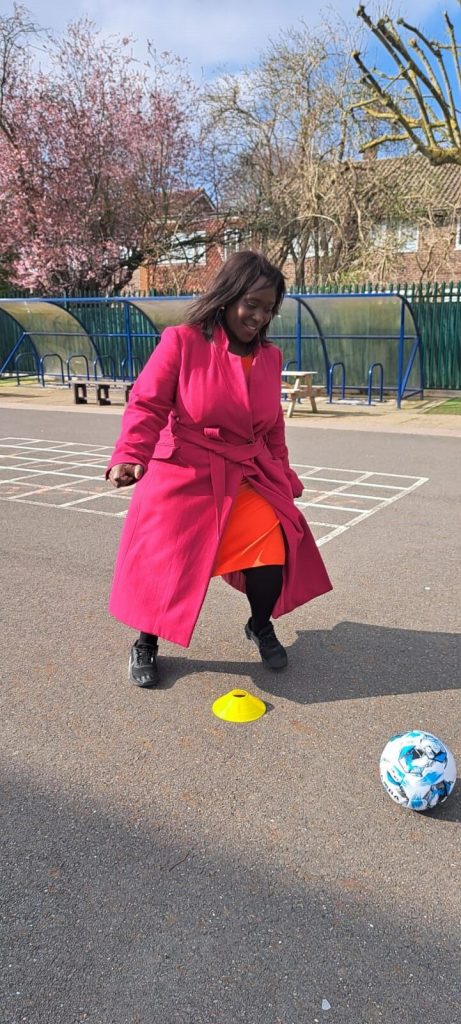
Friday 8th March 2024 marked the third annual #LetGirlsPlay football event across England. I was delighted to visit two schools in Erith and Thamesmead that took part, St Thomas A Becket Primary School and De Lucy Primary School. 

Team sports have such a positive impact on the wellbeing and health of our young people so it’s amazing to see so many girls across the country taking part. I was so impressed by the skill and competitiveness of the young sports stars. 

I was very pleased to hear that so many students were interested in taking part in football at their school that trials had to take place to select the first team.  

Being part of a sports team is such a great way to develop skills in team-working, leadership and resilience. The success of the Lionesses has inspired the nation and it is vital that girls have the same football opportunities as boys in schools and clubs. 

, , ,

UNISON’S National Women’s Conference

I was honoured to be invited to deliver a keynote speech at UNISON’s National Women’s Conference, where the pivotal theme centred on women’s health in the workplace.

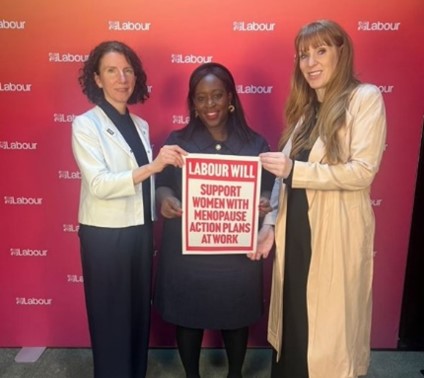
Throughout the conference, we engaged in profound discussions surrounding the specific needs of women employees, particularly concerning conditions like endometriosis, menopause, and menstruation. It was evident that when these crucial aspects of women’s health are overlooked by employers, it significantly impacts workplace well-being.

One of the significant motions passed during the conference was aimed at enhancing maternity care for Black women, who unfortunately face heightened risks of miscarriage or maternal mortality. This issue underscores the urgent need for proactive measures to address healthcare disparities and ensure equitable access to quality care for all women.

During my address, I shed light on the systemic racism that women of colour encounter when seeking healthcare services. Additionally, I emphasised the imperative for employers to recognise and accommodate menopause as a crucial aspect of women’s health in the workplace.

Women’s health demands prioritisation at all levels of governance. Unfortunately, far too often, the needs of women have been side-lined. However, I firmly believe that it’s time for a transformative shift.

In my speech, I articulated Labour’s unwavering commitment to reinvigorating the NHS to make it truly inclusive and responsive to the diverse health needs of women. Our vision entails not only addressing existing inequities but also eradicating systemic racism within healthcare systems and instituting frameworks that prioritise women’s health needs.

Now more than ever, we must rally behind the fundamental principle of a NHS that is universally accessible and free at the point of use, ensuring that every individual, regardless of gender or background, receives the care they deserve.

You can read more about the conference and my speech here and read about an interview I did with UNISON here.

Let’s continue our collective efforts to champion women’s health and build a future where every woman can thrive.

, ,

ITV’s Late Debate

It was a pleasure to be on the panel of The Late Debate with ITV News last week and discuss a number of important issues including the safety of public officials, tax incentives for London tourists and the upcoming Mayoral election. 

In particular, I raised my concerns about the current climate of abuse against people in public life, with people of colour and women often being more at risk. In my role as Chair of Labour Women’s Network (LWN), I have worked hard to train women to build resilience towards the abuse they are subjected to.  

People in public life should not be scared or intimidated while carrying out their responsibilities and I hope to see more progress in changing the current climate. 

,

International Women’s Day

International Women’s Day is an important moment each year when we celebrate the inspirational Women who have done so much, but when we also recognise how much more there is still to do.

In the House of Commons, I firstly paid tribute to trailblazing Betty Boothroyd, who sadly passed away this month. She was the first and only female Speaker of the House of Commons. She made a huge impact on the UK Parliament and paved a new way for women in politics.

I also highlighted the great impact of a few amazing and successful women from our constituency, Erith and Thamesmead:

“Deborah Frimpong, chair of Moorings Neighbourhood Forum and a formidable community activist; Councillor Averil Lekau, deputy leader of Greenwich Council, is doing great things at a local level to support women and champion their inclusion; Hend Kheiralla is the host of the Ladies of the Lake podcast, which amplifies the voices of women who have grown up, worked, and lived in Thamesmead; Debbie McFaul, is director of Crumbs Bakery, a business that truly brings in and supports the community; Karen Saunders from Greenwich Centre of Mission does a lot to support young people in our community, particularly bringing us together when two young boys, Kearne and Charlie, were murdered in my constituency; Claire Hallinan from Hawksmoor Youth Club has delivered fantastic services to young people and the wider community of Thamesmead, but has also faced considerable challenges with the state of its facilities; Finally, Catherine Molnar, founder of CC Events, hosts a market in Abbey Wood and Thamesmead and has won awards for the role they play in the community.”

Thank you also to all those running events to celebrate IWD and all the great women who I spoke to. Some of events I attended include the Lewisham West and Penge CLP, Women’s Lobby Reception, the Lloyds Bank Reception and the Women in Business reception.

I want to again wish everyone a happy International Women’s Day and I hope we can all agree that together we can make change for the better.

You can read my speech for the International Women’s Day Debate here and watch the speech here.

,

Centenary Action Group Parliamentary Event

Last week I attended the ‘How can we reach equal representation of women in Parliament by 2028?’ event hosted by Centenary Action Group (CAG).

CAG is a coalition bringing together organisations from across the women’s sector to enable collaboration, joint action and campaigning to eradicate the barriers that prevent women, in all their diversity, from taking part in politics and to improve women’s political participation in the UK.

This event enabled a cross-party discussion about the way forward and the sharing of ideas and experiences to ensure the next election does not see a slippage of female candidates. I spoke about Labour Women Network’s Selections For This Millennium campaign, the Jo Cox Women in Leadership Scheme and the Labour Women Network’s Political School. Labour has upskilled and encouraged almost 400 women in the last 12 months.

It was lovely meeting women from across different sectors who are looking to stand for election in the coming years.

, ,

Media Interview with Hend Kheiralla

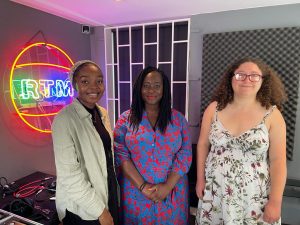
I sat down with Hend Kheiralla, host of the Ladies of the Lakes radio show, to discuss my journey into politics, getting started as a new MP after my election in 2019, my experience representing Erith and Thamesmead so far, and advice for those interested in politics. I also spoke about the importance of allyship, networks and mentorship.

Abena said:

I think female representation is important in Parliament as well as diversity… because I think it is important to have people from all walks of life.

Ladies of the Lakes is a series of interviews exploring stories of women who grew up and lived in Thamesmead.

You can listen to the full interview here.

HEND INTERVIEW

, , , ,

Celebrating local women in Parliament for International Women’s Day

On 8 March we marked International Women’s Day 2021. I used the parliamentary debate on IWD, held on 11 March, to celebrate local women making a difference in our community.

They included Dr Sam Parrett OBE, principal of London and South East Education Group, who has done so much to ensure that young people were supported throughout the pandemic; Sue Stockham, an ovarian cancer survivor, who is using her experience to raise awareness about the signs of ovarian cancer and the importance of getting help quickly during the pandemic; Carmel Britto who is the founding director of LPF Kiddies Club, which offers educational enrichment to young children from African and Caribbean backgrounds; Kate Heaps who is the chief executive of Greenwich and Bexley Community Hospice; and Yeukai Taruvinga who is the founder and director of Active Horizons, a charity that works to support Black and ethnic minority young people in Bexley.

https://twitter.com/heapy25/status/1375525994111639564?s=20

I also paid tribute to the countless women who have served on the frontline in our constituency during the pandemic as doctors, nurses, carers, cleaners, and other key workers. I could not name them all, but we must not forget the sacrifices they have made and the burden that has fallen on them.

You can watch my full speech below: